LONGi Shanghai Unilever Food & Beverage 0.67MW C&I PV Project

Cases image
Cases image
Cases image

Project Overview

  • Project Type
    Industrial and commercial projects
    Project Location
    China | Shanghai
  • Application Scenario
    Rooftop
    Project Capacity
    0.67 MW
  • Product Type
    Hi-MO X10
    COD
    2025.08
Technical Highlights
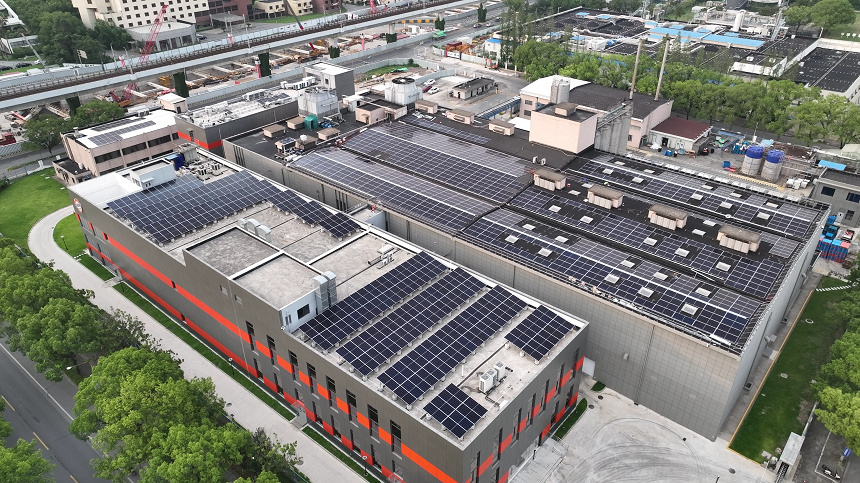
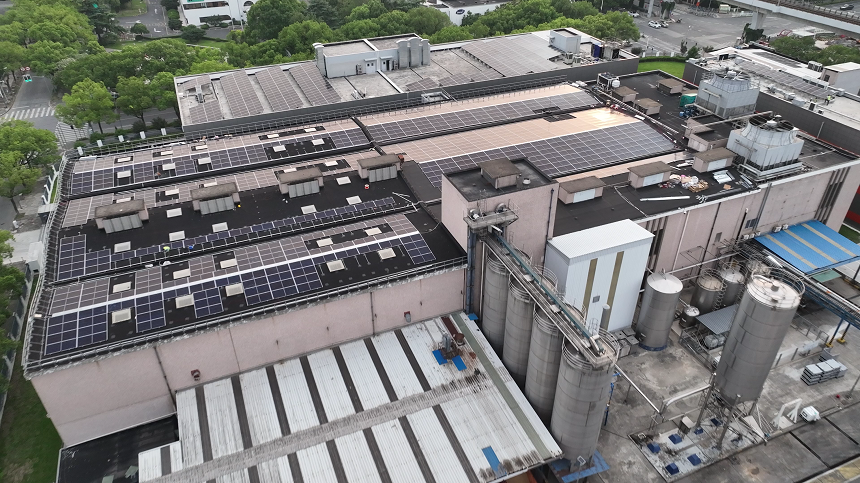
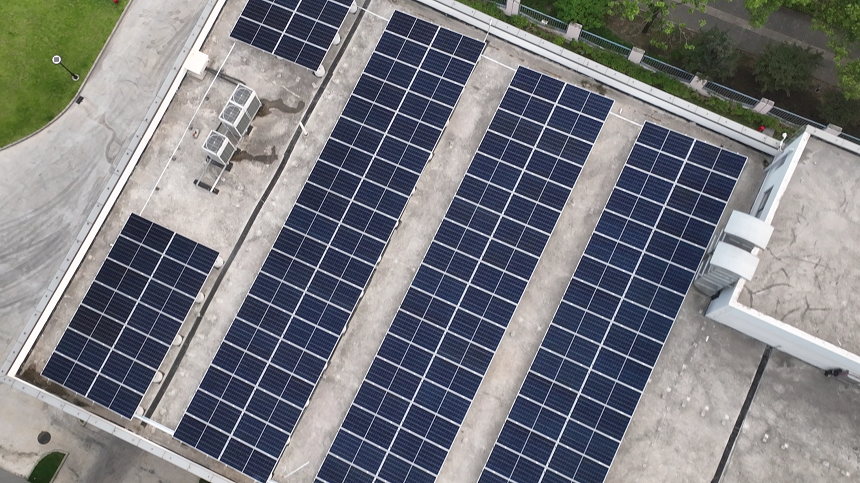
Premise: Unilever's factory roof comprises 4 different types: precast panel roof, concrete roof, color steel tile roof, and carport area, making unified planning and installation of PV modules challenging. Furthermore, the roof has numerous obstacles like lightning rods and exhaust pipes, causing partial shading issues prone to hot spot effects, affecting power generation efficiency. Initially, the investor, Électricité de France, considered TOPCon modules. However, after comparing product value, empirical data gains, and value-added services, they decisively switched to Hi-MO X10, significantly reducing installation area loss and fundamentally ensuring the system's installed capacity. Leveraging built-in bypass diode-like technology and soft breakdown design, it effectively controls the impact of shading. The module's localized temperature is reduced by over 28% compared to conventional modules, with a maximum temperature of only about 98°C. Module power loss is reduced by 70% compared to conventional modules, significantly minimizing the impact of shading on power generation efficiency.

Project Highlights

Shanghai Unilever Food is the production base for the century-old brand "Ovaltine." To save production costs and fulfill its commitment to sustainable development, Unilever turned its attention to its vast factory roof, hoping to build a PV power station that integrates cost reduction, efficiency gains, emission reduction, and image enhancement.


In the long term, this PV project will bring significant environmental and economic benefits to Unilever. Over the next 25 years, the project can cumulatively reduce carbon emissions by 4,150 tons. Regarding energy supply, the project can generate 720,000 kWh of clean electricity annually, meeting part of the factory's production electricity needs. Simultaneously, it can save the workshop over ¥870,000 CNY (approx. $122,363 USD) in electricity costs each year, effectively reducing production costs.