

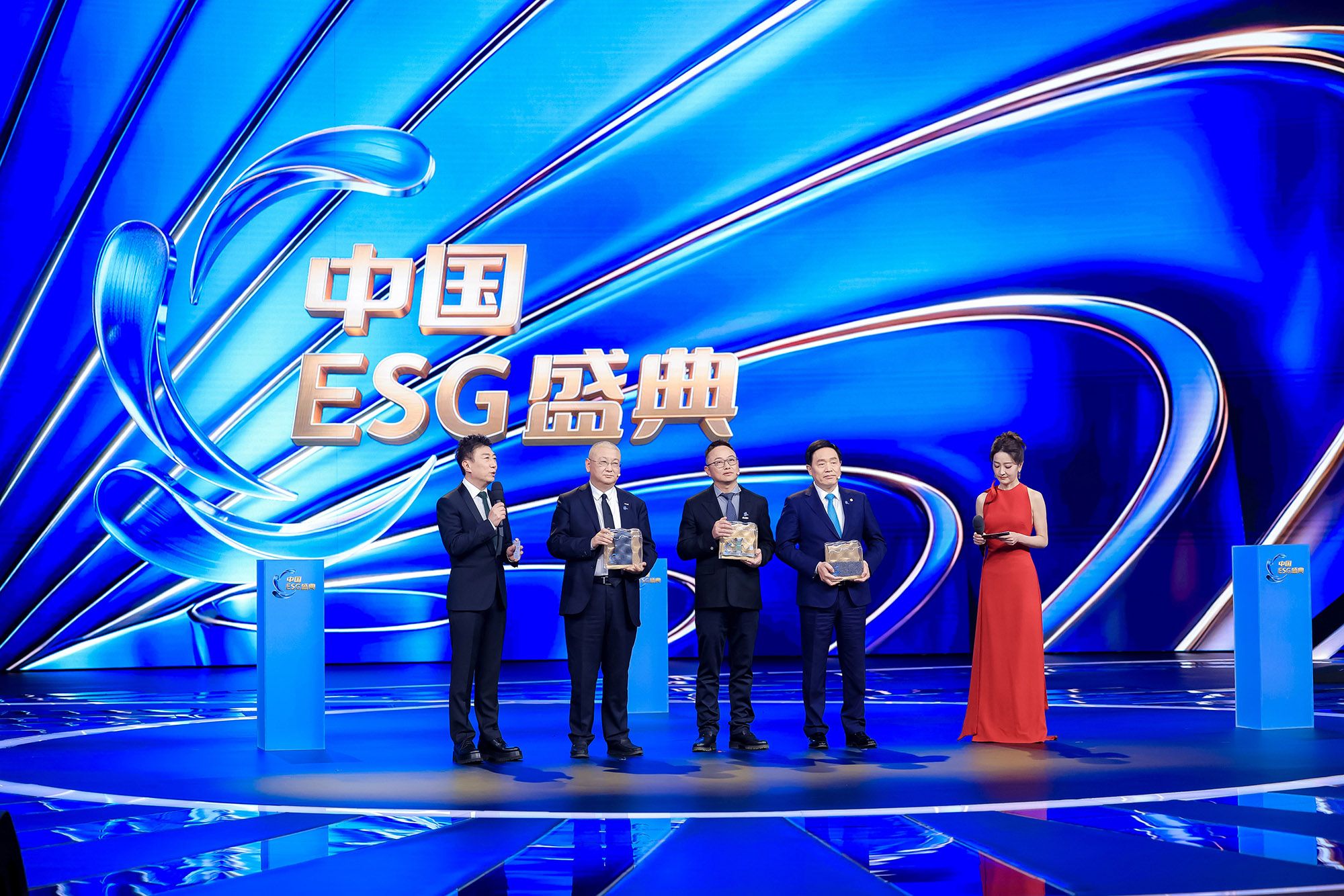
April 11,Beijing,China – The 2026 China ESG Gala, hosted by China Media Group (CMG), officially aired on CCTV Finance Channel. As a recognized “China ESG Model Enterprise” and “Breakthrough Enterprise of the Year,” LONGi founder and Chief Technology Officer, Li Zhenguo, took the stage bearing the gala’s signature “Token of Native Land” — a LONGi self-developed BC (Back Contact) technology product.
Using this small piece of solar cell as a starting point, Li shared LONGi’s commitment to solving industry dilemmas through technological innovation and advancing global energy equity with green power. He also directly confronted the intense competition plaguing the solar sector, offering LONGi’s perspective and solutions.
From Brazil to Malawi: Bringing Sunshine to Every Corner
“LONGi has always believed that technological innovation will drive energy equity,” Li Zhenguo stated at the outset.
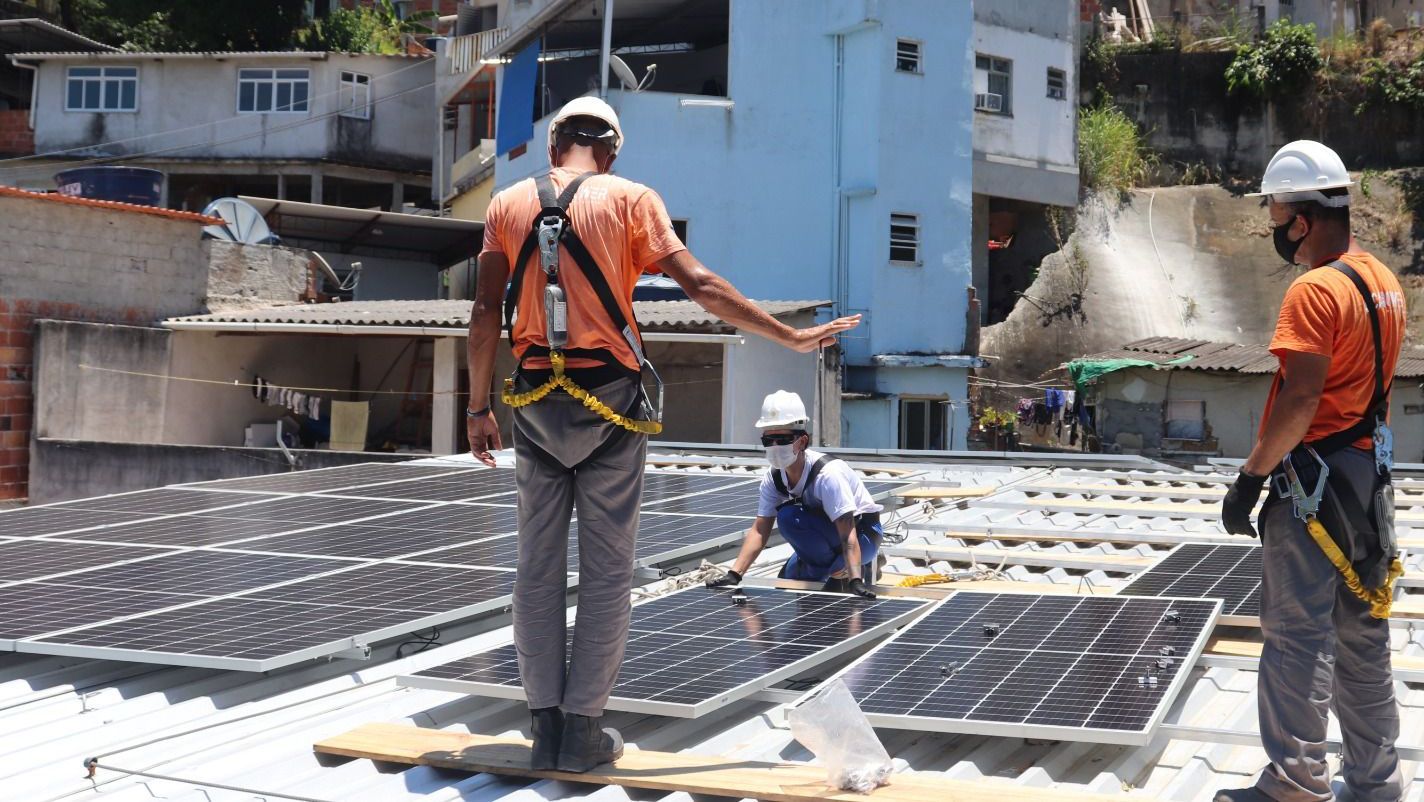
He went on to share LONGi ’s global ESG stories: In Brazil, LONGi utilized green PV technology to help residents of underprivileged communities install distributed solar systems. Beyond providing green electricity to displaced Indigenous populations, LONGi also offered technical training, ensuring that sunshine not only lights up homes but also empowers people with skills to transform their lives. In Malawi, Africa, LONGi’s green power enables rural children to access affordable and convenient electricity, allowing them to read under the light and pursue an education.
“In every corner of the world, LONGi strives to uphold the sustainable development philosophy of making affordable clean energy accessible to all,” Li said. “We are demonstrating that what Chinese solar enterprise brings is not just clean electricity, but also equitable opportunities for development. This is our heartfelt contribution to a sustainable global future.”
“Token of Native Land”: The Green Energy Within LONGi’s BC Technology
How, then, can the ESG gene within the solar industry be awakened and a healthy, sustainable new ecosystem be reshaped? The answer may lie within this very “Token of Native Land.”
The token Li Zhenguo presented at the gala was a LONGi BC cell, a product recognized and trusted by customers worldwide for its low-carbon footprint, high conversion efficiency, superior returns, aesthetic appeal, and enhanced safety.
Addressing the industry’s predicament, Li turned his attention to the solar cell in his hand and offered a concrete calculation of its “green electricity ledger”: “To produce this cell—starting from raw ore, through polysilicon, ingot pulling, wafer slicing, and finally to cell and module assembly—it takes about two kilowatt-hours of electricity. But over its 30-year lifespan, this module will generate 235 kilowatt-hours of power. That’s more than a hundredfold amplification of energy. It is truly green, multiplied power.”
He further elaborated on the broader environmental value of BC technology: “Because its conversion efficiency is 5% to 6% higher than standard products—looking at the 1 terawatt of installed solar capacity we currently have in China—adopting this technology could save roughly 1,000 square kilometers of land. And to support the full energy transition, we’ll need a much larger scale, at least 10 terawatts of modules, which would mean saving 10,000 square kilometers of land.”
Confronting Hyper-Competition: Innovating “Capably” and “Defensibly
Over the past two years, technological iteration in the solar industry has accelerated rapidly, with new products emerging constantly. Yet, the pressure of industry-wide hyper-competition has not fundamentally eased; in some respects, it has even intensified.
On this issue, Li Zhenguo remarked: “To counter hyper-competition, you must rely on technological innovation to stay ahead—though, of course, that requires support from another dimension.”
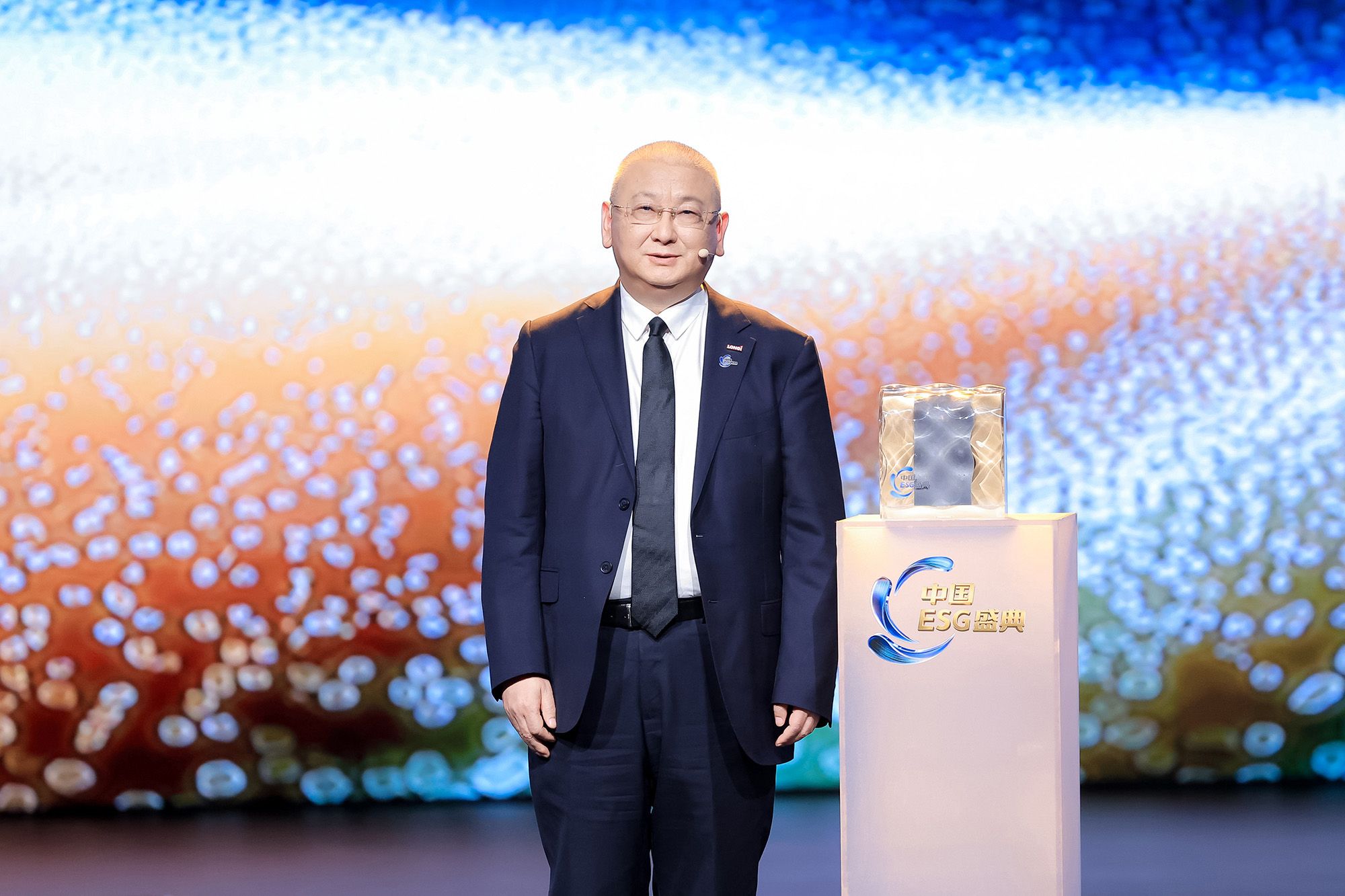
Li stressed that technological innovation must not only be “achievable” but also “defensible.” Only by building strong barriers while leading with technology can a company navigate industry cycles and help the sector emerge from the fog of cutthroat rivalry.
He then detailed the four “moats” LONGi has constructed in its innovation process:
“The first moat is the strategic deployment of intellectual property—that is, patents. This is the moat with the strongest legal effect and the longest duration. The second moat is collaborative innovation with core suppliers, secured through exclusive supply arrangements. The third moat is this: while outsiders may just see the surface, insiders understand the intricacies. For processes where the critical know-how is easily discernible, we implement confidential designs within our own production lines. The final line of defense is taking good care of our key technical staffs.”
“Guided by ESG principles, we must firmly pursue the path of innovation while also advocating for stricter regulatory standards. In doing so, the industry’s emergence from the haze of hyper-competition will be just a matter of time.”
About LONGi
Founded in 2000, LONGi (Stock code: 601012. SH) is committed to being the world's leading solar technology company, focusing on customer-driven value creation for full scenario energy transformation.
Under its mission of 'making the best of solar energy to build a green world', LONGi has dedicated itself to technology innovation and established several business sectors, covering mono silicon wafers, cells and modules, commercial & industrial distributed solar solutions, green energy solutions, building integrated photovoltaic and hydrogen equipment. As an international company, LONGi's business covers more than 160 countries and regions. Actively practicing its "Solar for Solar" concept, LONGi is accelerating the global transition to sustainable energy and promoting energy equity, enabling more people around the world to access affordable clean energy.
More details here: www.longi.com/